Children's safety, wellbeing and access to learning

When behaviour creates safety concerns, children need a response that considers their needs, protects their wellbeing and supports their access to learning. That responsibility extends from everyday interactions to decisions made across a school, setting or trust.
The Behavioural Safety Framework™ connects strategic leadership and governance, operational leadership and frontline practice around that responsibility. It also recognises what the workforce needs to fulfil it: safety, clear expectations, practical support and attention to wellbeing.

School leaders discussing priorities together.

One framework across three levels

The three levels work together: leaders set the direction, settings put practical arrangements in place, and staff bring them to life in their interactions with children.
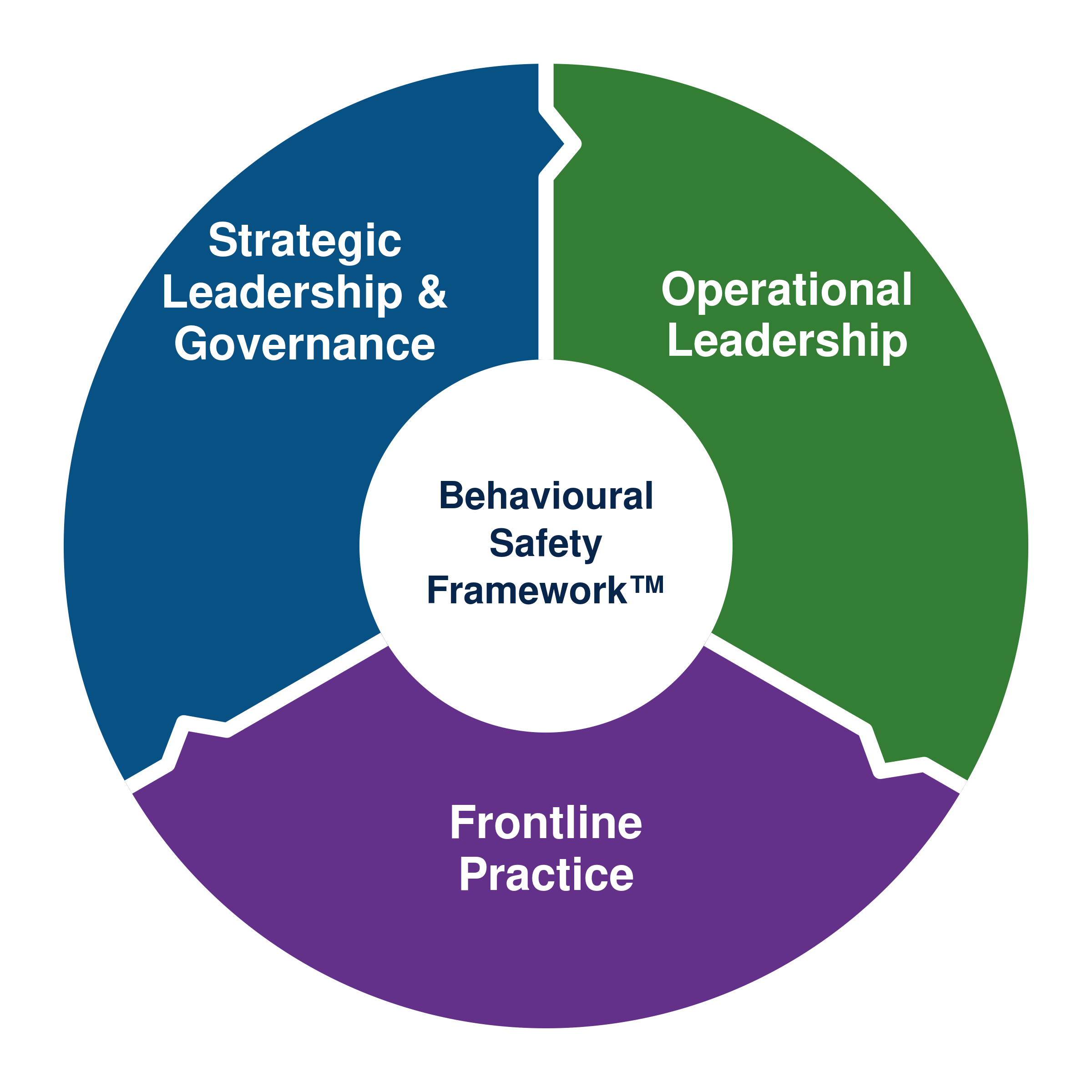
Behavioural Safety Framework: Strategic Leadership & Governance, Operational Leadership and Frontline Practice, connected within one framework.

Strategic Leadership & Governance

Keep children's safety, wellbeing and access to learning central to organisational decisions, with clear oversight of behavioural risk across settings. Ensure the workforce has the support and resources to fulfil that responsibility safely.
Recognise where recurring incidents, restrictive practice or exclusion pressures are affecting children's experience of education. Understand where settings need support, how demands affect staff wellbeing and whether the workforce has the resources and development needed to put expectations into practice.

Operational Leadership

Plan around children's needs through risk assessment, risk management and coordinated support. Give staff clear expectations and the support to keep children and adults safe.
Bring together behavioural risk assessment and risk management, arrangements for responding to serious incidents, recording and reporting, and communication with parents. Give staff clear expectations, opportunities to develop their practice and support to reflect and recover after difficult incidents.

Frontline Practice

Understand the child, build relationships and respond skilfully—preventing avoidable escalation and making safer decisions when behaviour becomes a safety concern.
Support staff to recognise changes, avoid unnecessary triggers, communicate and de-escalate, and learn from incidents. Keep the child's needs in view while responding to the safety of everyone involved.

Support to put behavioural safety into practice

BSF support can combine a shared framework, mentoring and licensed internal leads, helping organisations connect leadership expectations with everyday practice.
Start with the pressures facing your school, setting or trust. We can discuss the support that fits your needs and the role of introductory learning within that wider work.

The expertise behind the framework

Tom Aitken
National Advisor (England) — Behavioural Safety Framework™
Speak directly with Tom about the behavioural-safety concerns affecting your school, setting or trust, and the support you are looking for.
ICM Quality Award Centre

ICM Quality Award Centre.

Start with the concerns you need to address
Start with children's safety, wellbeing and access to learning. Talk to us about the behavioural risks affecting that experience, the decisions your organisation faces and the support your workforce needs to respond safely and skilfully.